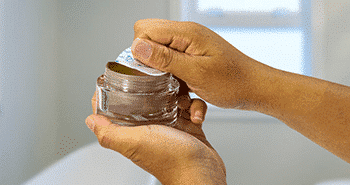
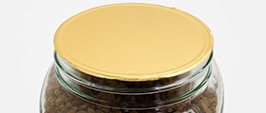
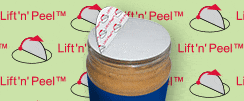
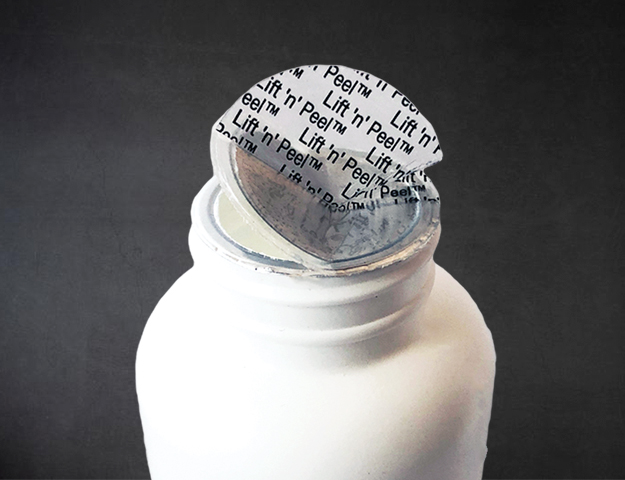
Packaging experts from Selig and Enercon host this informative webinar where they discuss insights on choosing the ideal liner, configuring your induction sealer, and setting up your packaging line for success.
Topics include:
Benefits of induction sealing
Keys to selecting the ideal induction liner for your application
Mastering variables: heat, pressure, and time
Tips for choosing an induction sealer with options
How setting up an operating window optimizes results
Hot fill technology has been standard practice across many forms of liquid and semi-liquid food products since the 1980’s. This is largely due to the improved product quality, shelf-life extension ...
During the global pandemic, the wine industry proved its versatility in finding flexible solutions. However, with change now the only constant in the wine industry, how are producers continuing to ...
Selig Group, owned by CC Industries (“CCI”), announced today that it has acquired Manufacture Générale de Joints (“MGJ”). Founded in 1947 and headquartered near Lyon, France, MGJ is a leading ...
The UK Government published its policy paper on the introduction of the Plastic Packaging Tax in November. The tax aims to provide economic incentive to businesses to use recycled materials ...
With packaging playing a key role in customer satisfaction and purchasing decisions, what can manufacturers learn from consumer purchasing behaviour and how has packaging evolved to cope with the many ...
With increased demand for convenience, fragmentation of the supply chain and increased calls for sustainability, e-commerce packaging materials are having to meet higher performance criteria. Here Darren Dodd, Sales and ...
A new series of independent tests performed to confirm the best material to seal glass jars has put Selig’s GlassFuze™ on top. The research was commissioned by a peanut butter ...
Selig Group is pleased to announce the acquisition of Performance Systematix (PSI). PSI is the leading supplier of container and packaging venting solutions globally.
Companies are under increasing pressure to reduce the amount of plastics used, leading many to work towards ‘lightweighting’ their packaging designs. Selig highlights the results achievable when lightweighting is coupled ...
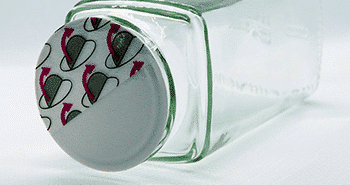
Demand for herbs and spices in glass packaging may be good for the planet, but it leads to challenges – particularly when it comes to sealing. Selig outlines a solution.
With the rise in popularity of vitamins, over-the-counter (OTC) drugs, pharmaceuticals and nutraceuticals owing to the increased focus on health and well-being, the demand for appropriate packaging has also risen.
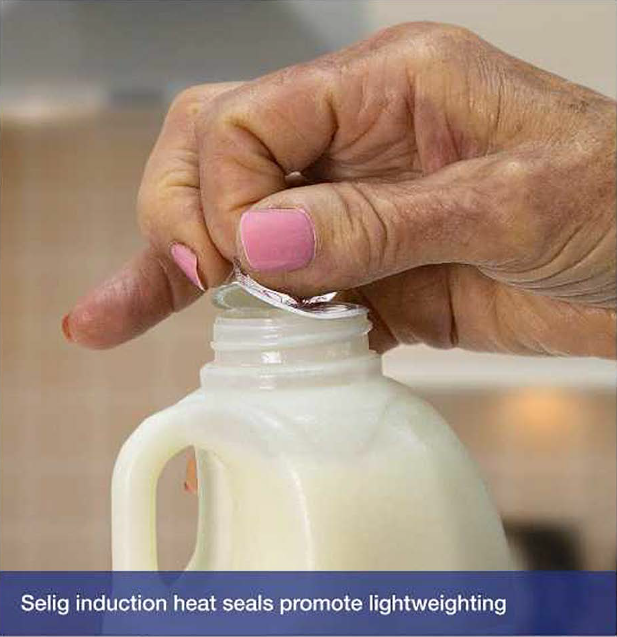
In the UK, 95% of milk packaging is sealed using an induction seal. This addition has enabled plastic reduction by 25%. At best, only 10% of US milk is sealed ...
Food waste has been in the headlines for a long time and with current supply chain challenges, making the most of resources is more in focus than normal. Selig’s Darren ...
To meet the demands of consumers and regulators, pharmaceutical companies need to offer packaging that is both tamper-evident and accessible to the end user.
Medical, technological and packaging industries are working together to deliver diagnostic tests to help stop the spread of coronavirus. Selig is proud to announce its involvement with a new, 5 ...
The pressure to reduce plastic packaging is growing as manufacturers make changes to avert the potential disaster of more plastics than fish in the ocean by 2050.
Packaging must be robust, tamper-proof and leak-free, but, as the global population continues to age, it must also be easy to open. This can be a tricky balance to strike, ...
An ageing global population is here to stay and the packaging sector must ensure its products constantly evolve to accommodate the needs of the elderly and remain relevant.
The beauty and cosmetics industry is constantly flourishing. It is no surprise that cosmetics manufacturers are investing in developing new products to meet this demand.
The benefits of leakproof and tamper-proof packaging should not be denied to consumers with limited grip strength. Selig sales director Peter Tindale explains how the right sealing design and technology ...
With more older people being affected by arthritis, designers must develop new ways to ensure packaging is easily accessible to users, while maintaining pack security. Selig explores how to achieve ...
Induction sealing is a low-cost approach that can deliver secure, hermetic and easy opening seals that are ideally suited to pharmaceutical and nutraceutical products for this growing market.
The continued growth of Europe’s spice and herb market has been accompanied by a parallel increase in demand for glass packaging. Selig discusses this market™s special sealing challenges and presents ...
Selig has been awarded an Alufoil Trophy in recognition of its GlassFuze technology, which the firm believes is the first induction heat seal to provide a complete hermetic seal to ...
Consumer appetite for milk looks set to remain steady in Europe over the coming years, but reliable and secure containers will have to play a critical role for the dairy ...
Glass containers give products an impression of higher quality, but sealing them can be challenging. Darren Dodd presents a proven answer for the food sector.
The industry faces the challenge of creating packaging that is secure and tamper-proof, but also easy to open for elderly consumers and those who suffer from dexterity or mobility impairments.
Selig’s Deltaseal 9000 opens up new possibilities for glass container sealing, easily maintaining the product integrity of high oil or fat content foods.
Selig announces an advanced three-ply LDPE foam lining material for food and beverage, pharmaceutical, cosmetic, and other industries that supply their goods in rigid containers.
Selig has unveiled an advanced three-ply LDPE foam lining material which offers a range of benefits to many industries that supply their goods in rigid containers.
While leak prevention is often the primary driver behind induction sealing for automotive products, the technology has now moved on to offer other significant benefits for suppliers and retailers.
Demand from consumers and retailers for confidence in both the freshness and the integrity of food and drink products is stronger than ever. Induction heat sealing meets those needs.
Peter Tindale, European Sales Director at Selig describes the lining materials and how the process variables of pressure, heat and time are critical to the success of induction heat sealing.
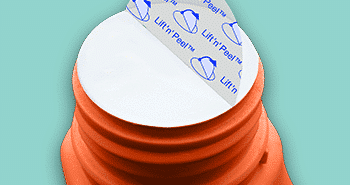
Selig has developed a concept liner Lift ‘n’ Peel TamperSeal for medicine packaging with features similar to those of its highly successful Lift ‘n’ Peel induction liner, which is widely ...
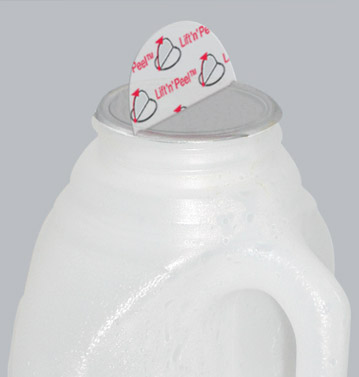
Safety, leak prevention, and maintaining freshness were ranked as the most important packaging features in a recent consumer study. Lift ‘n Peel™ was found to be the most preferred sealing ...
One proven tamper-evident technology for rigid containers is induction cap sealing. This approach uses a multi-layer laminated liner inside the container cap.
Selig is to redesign the graphics on its Lift ‘n’ Peel™ easy-to-open container liner after focus group surveys revealed need for clearer opening instructions.
Selig’s Darren Dodd explains how induction heat sealing using the most appropriate lining material can maintain product freshness, extend shelf life and provide visible tamper evidence.
Selig has launched a newly developed range of two-piece wax laminated induction liners that offers unparalleled packaging protection in almost all environments.